N-Acetyl Semax Amidate vs Semax: Structural Differences, Stability, and Research Comparison
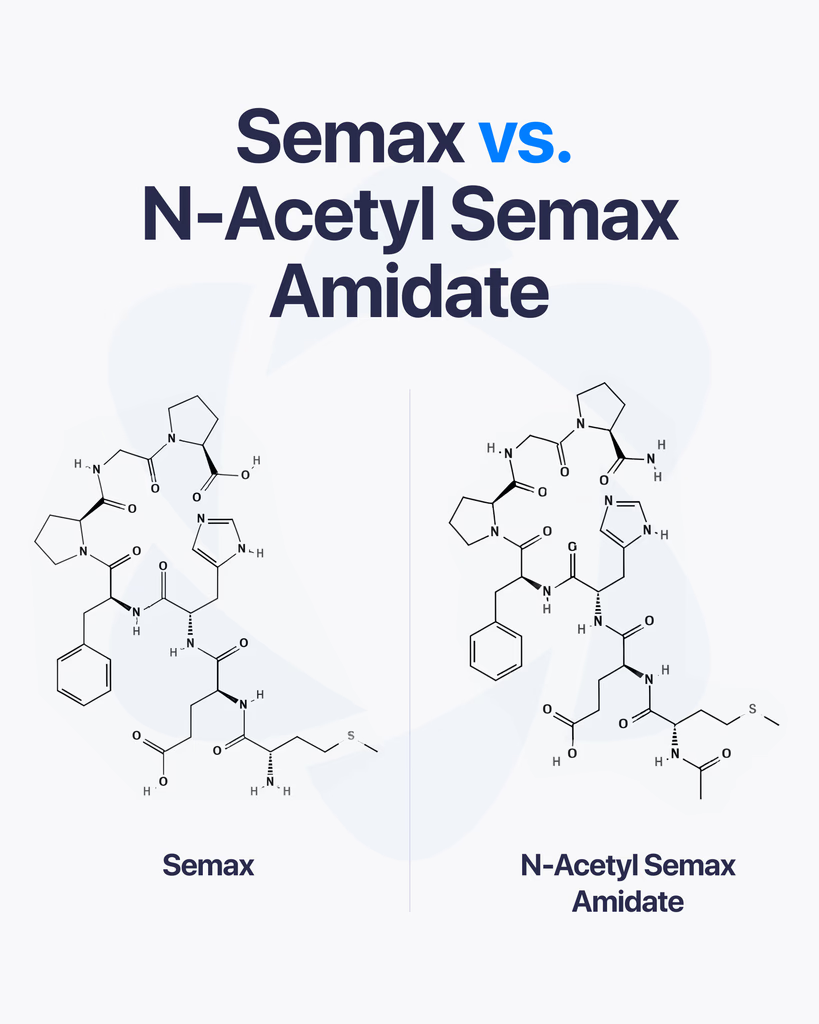
Semax and N-Acetyl Semax Amidate are closely related peptides often studied for their effects on the brain and cognitive processes. While they share a similar foundation, small structural differences between them can influence how they behave in research settings. Let’s break down what sets them apart. What Is Semax? Semax is a synthetic peptide derived from a fragment of adrenocorticotropic hormone (ACTH). It has been studied for how it interacts with brain signaling pathways, particularly those linked to cognitive function and neurotransmitter activity. In research, Semax is often explored for its potential influence on: Cognitive processes such as memory and focus Neurotransmitter regulation Brain-derived signaling pathways What Is N-Acetyl Semax Amidate? N-Acetyl Semax Amidate is a modified version of Semax. It includes two structural changes: An added acetyl group An amidated end These modifications are designed to improve stability and resistance to breakdown, allowing the peptide to remain active longer in research conditions. Key Differences Between the Two Here’s the simple comparison: Semax is the original peptide structure N-Acetyl Semax Amidate is a more stable, modified version Because of its modifications, N-Acetyl Semax Amidate is often studied for: Increased stability Longer duration in experimental conditions Potentially more consistent activity over time Why Stability Matters Peptides can degrade quickly depending on environmental conditions. By modifying the structure, researchers can observe how increased stability affects performance and interaction with biological systems. This is one of the main reasons analog versions like N-Acetyl Semax Amidate are developed and studied. Areas of Research Interest Both peptides are explored in similar research areas: Cognitive FunctionStudying how they may influence memory, learning, and focus-related pathways. Neurotransmitter ActivityAnalyzing interactions with systems such as dopamine and serotonin. Brain Signaling MechanismsUnderstanding how peptide-based compounds affect neural communication. What Research Suggests Most findings come from laboratory and early-stage studies. These indicate that both compounds interact with neurological pathways, but differences in stability may affect how long and how consistently they act. However, results can vary based on experimental conditions. Limitations and Ongoing Research Here’s the honest take. While both peptides are actively studied, there is limited large-scale clinical data comparing them directly. Most research is based on: Preclinical studies Controlled lab experiments Smaller-scale investigations More research is needed to fully understand how these differences translate across broader contexts. Final Thoughts Semax and N-Acetyl Semax Amidate are closely related peptides with similar research focus areas. The main difference lies in structural modifications that may influence stability and duration. For researchers, choosing between them often comes down to whether stability and extended activity are important for the specific study.