Home
Every peptide.
Every batch.
Published.
A research peptide supply where every claim is backed by an independently published Certificate of Analysis. Searchable by the batch number on your vial.
Research use only. Not for human dosing, injection, or ingestion. Statements have not been reviewed by the FDA. Research peptides are not intended to diagnose, treat, cure, or prevent any disease.
Verified-purity research compounds.
HCG
Gonadorelin Acetate
GHRP-2
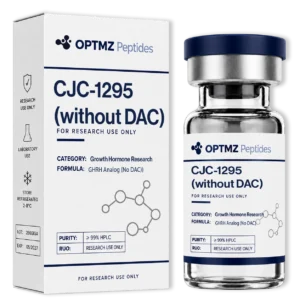
CJC-1295 (without DAC)
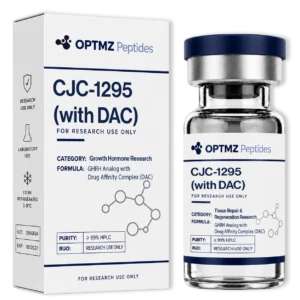
CJC-1295 (with DAC)
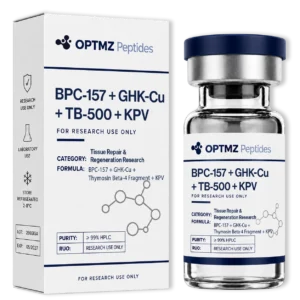
KLOW (BPC-157 + GHK-Cu + TB-500 + KPV)
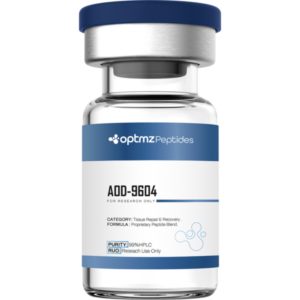
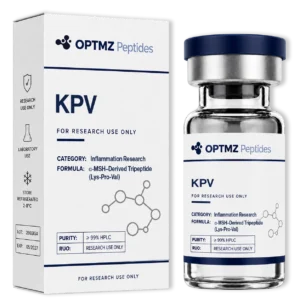
KPV
Four checkpoints. One chain of evidence.
Solid-phase synthesis
Synthesized in U.S.-based laboratories using SPPS methodology. Source verified, chain of custody documented.
Krause Analytical
DEA-registered analytical laboratory. Seven-method panel: HPLC, MS, endotoxin, heavy metals, microbial, pH, visual.
≥98% threshold
Batches below 98% HPLC purity are rejected and never enter inventory. Most batches test 98.5–99.9%.
Public COA archive
Every batch result published. Searchable by the batch number printed on your vial. Permanent. Verifiable.
Open Lab — Research Testing Service
Send us your peptides.
We'll test them.
Whether you bought from us or somewhere else, we’ll run the full analytical panel on your sample. Same lab. Same protocols. Same analysts who test every OPTMZ batch.
Independent verification is the foundation of research. We made it accessible.

01 / SEND
Mail your sample with the OPTMZ pre-paid form.
02 / TEST
Same panel as our internal batches. Same lab. Same analysts.
03 / RECEIVE
Full Certificate of Analysis. Yours to publish, share, or archive.
The Standard
Seven analytical methods.
Every batch. Every time.
Each compound is tested across the same panel before release. Below is the standard, exactly as it runs.
HPLC
High-performance liquid chromatography for purity quantification (≥98% threshold).
Mass Spec
Identity confirmation against the target peptide molecular weight.
Endotoxin (LAL)
Limulus amebocyte lysate testing for bacterial endotoxin.
Heavy Metals (ICP-MS)
Inductively coupled plasma mass spec for trace metal contamination.
Microbial
Bioburden testing for bacterial and fungal contamination.
pH Stability
Verification of solution stability at standard storage pH.
Visual
Lyophilized form integrity and absence of particulate matter.
Leadership
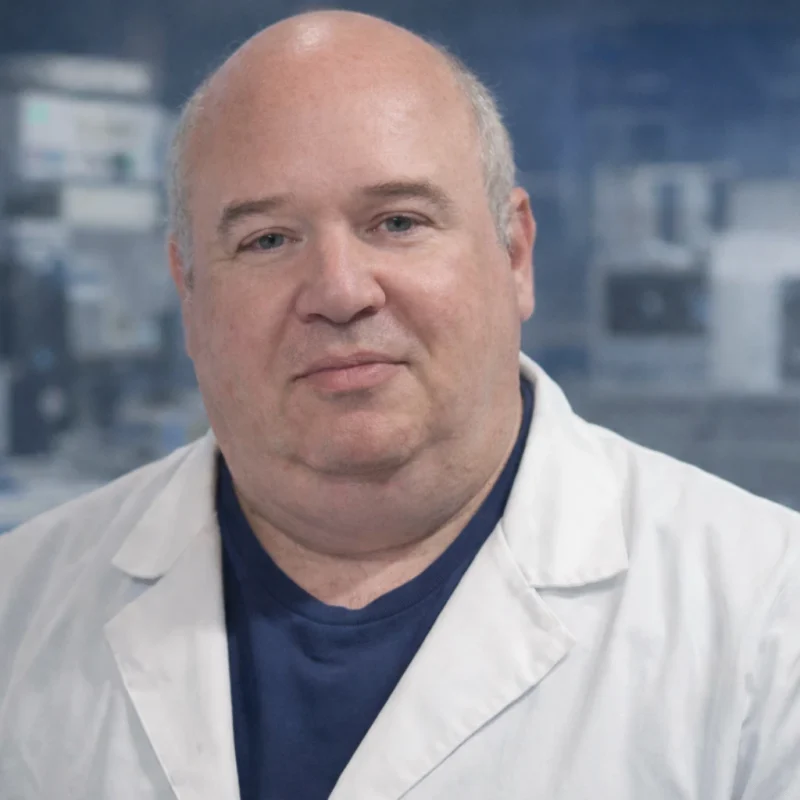
Our Chief Science Officer.
Dr. Leonard Haberman leads OPTMZ’s analytical quality program. He sets the testing protocols every batch must meet before release, oversees the partnership with Krause Analytical, and is the named scientific authority behind every Certificate of Analysis OPTMZ publishes.
If you have a methodology question — COA interpretation, batch verification, or analytical detail — Dr. Haberman or a member of his research support team is the person on the other end of the line.

A recent batch
This is a Certificate of Analysis.
Here's how to read one.
Analyst signature on file. Independent verification available by phone.
Frequently asked
Researcher questions, answered.
The most common questions about purity standards, COA interpretation, and the regulatory framework for research-use peptides.
What purity standards do your peptides meet?
How are your peptides tested?
How do I read and interpret a Certificate of Analysis?
A Certificate of Analysis is a technical document showing your specific batch’s test results. Key sections include: batch identification number, test date, HPLC purity percentage (should be ≥98%), identity confirmation via mass spectrometry, contamination screens, analyst name and credentials, and laboratory certifications.
What is the difference between research-grade and pharmaceutical-grade peptides?
Research-grade peptides are synthesized and tested for laboratory in-vitro research. Pharmaceutical-grade peptides undergo additional manufacturing controls and are FDA-approved for human medical use. OPTMZ supplies research-grade peptides — high-purity, fully tested, but intended for laboratory study rather than pharmaceutical administration.
Can I verify your COAs are authentic?
Yes. Every OPTMZ Certificate of Analysis includes batch-specific test results, the testing laboratory’s contact information, the analyst’s signature and credentials, and laboratory certifications. You can call Krause Analytical directly to confirm any batch result.
Are research peptides legal to purchase?
Yes. Research peptides are legal to purchase within the United States for legitimate in-vitro laboratory research purposes. They are not classified as controlled substances under federal law. All products are clearly labeled “For Research Use Only — Not for Human or Animal Consumption.”